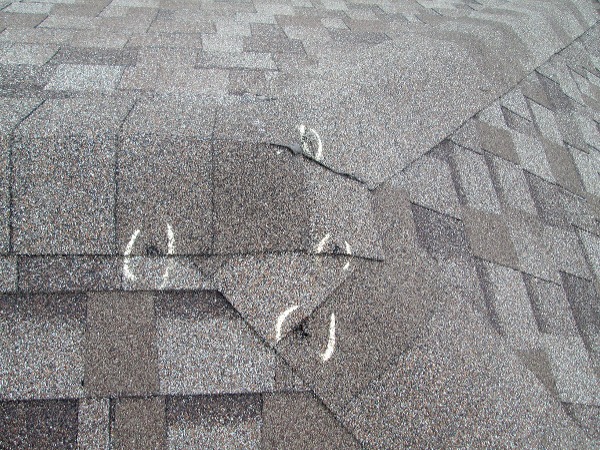
5 Steps To Take After A Hail Storm
Hailstorms are a familiar part of life in San Antonio. When one passes through your neighborhood, the immediate concern is often the same: Did my roof take any damage? However, in many cases, the answer isn’t always obvious. You might notice a few dents or scattered debris, but nothing that feels urgent.
That uncertainty is what makes the immediate hours and days after a storm important. Taking the right steps early can help you avoid larger issues later, especially in a climate where heat and recurring storms can accelerate roof wear. Here are five ways you can make sure that your roof is properly protected after it’s been struck by hail.
1. Start With a Ground-Level Check
Once the storm has cleared, begin with a simple visual inspection from the ground. Walk around your home and look for signs of impact on exterior features like gutters, downspouts, vents, and siding. Dents in metal components are often one of the first indicators that hail made contact with your roof.
You may also notice shingle fragments or granules collecting near downspouts or along the edges of your home. While these signs don’t confirm the full extent of damage, they provide useful early clues. At this stage, the goal isn’t to diagnose the problem, but to determine whether further evaluation is needed, without putting yourself at risk by climbing onto the roof.
2. Look for Signs of Hidden Roof Damage
One of the more challenging aspects of hail damage is that it isn’t always visible from the ground. A roof can appear intact while still sustaining impact-related wear that shortens its lifespan.
Hail can loosen protective granules on shingles, create soft spots, or cause small fractures that develop over time. These issues may not lead to immediate leaks, but they can weaken the roof’s ability to handle future weather. In San Antonio, where roofs are regularly exposed to intense sun and shifting weather conditions, even minor damage can escalate more quickly than expected. Understanding that visible damage doesn’t always mean no damage at all is an important part of making informed decisions after a storm.
3. Document What You See For Insurance
If you notice anything unusual, take a few minutes to document it. Photos of dents, debris, or any visible wear can be helpful later, particularly if you need to reference the condition of your roof shortly after the storm.
It’s also a good time to reach out to your insurance provider to understand your coverage and next steps. You don’t necessarily need to file a claim immediately, but having an early conversation can clarify timelines, documentation requirements, and what your policy covers. This step helps you avoid surprises and ensures you’re prepared if repairs are needed.
4. Schedule a Professional Roof Inspection
At this point, if you’re wondering, Should I get my roof inspected after a hailstorm? the answer is usually yes. A professional inspection is really the only reliable way to understand what’s actually happening on your roof. Even when damage appears minor or isn’t visible at all, trained inspectors can identify issues that aren’t apparent from the ground.
If your area experienced hail, if nearby homes are being repaired, or if your roof is older, an inspection is generally a practical next step. It removes the guesswork and gives you a clear picture of your roof’s condition before small problems have a chance to escalate.
Working with a local company like Roland’s Roofing also means you’re getting an assessment from an experienced team that’s familiar with regional weather patterns and roofing systems for both residential and commercial buildings. This local context can make a meaningful difference in how damage is evaluated.
5. Get Repairs Sooner Rather Than Later
If damage is identified, addressing it promptly can save you a lot of money down the line. Hail often weakens roofing materials in ways that aren’t immediately visible, leaving your home more vulnerable to future storms, wind, and heat.
Delaying storm repairs can lead to secondary issues such as leaks, insulation damage, or structural concerns. In some cases, waiting too long may also complicate insurance timelines or coverage. If you’re on the fence about what to do, just remember that roof problems never improve on their own. They either get fixed, or before too long, they get worse.
Is Your Roof Hail Storm Ready?
Once the immediate situation is addressed, it’s worth considering how your roof will withstand future storms. In a place like San Antonio, where severe weather is part of the seasonal cycle, preparation often matters just as much as response.
Regular inspections, even if no storm has occurred, can help identify wear and tear before it becomes a serious problem. Maintaining gutters, replacing aging materials, reinforcing key areas, and addressing small repairs early all contribute to a roof that performs more reliably over time. Preparation doesn’t mean you’ll be completely immune from storms, but it can significantly reduce their impact on your home.
Helping You Make the Right Call
After a hailstorm, it’s normal to have questions about what to do next. The process doesn’t have to be rushed, but it should be intentional. Starting with a simple check, understanding what to look for, and getting a professional opinion when needed can help you move forward with confidence.
If you’re unsure about the condition of your roof after a recent storm, the team at Roland’s Roofing can provide a clear, no-pressure inspection and help you understand your options. Don’t let scammy storm chasers try to push you into an arrangement you’re not comfortable with. In many cases, the most important step isn’t making a quick decision; it’s making an informed one.
Roland’s Roofing is a family-owned roofing company serving San Antonio, TX, and surrounding areas since 1970. Call us at (210) 543-7663 or visit rolandsroofing.com.